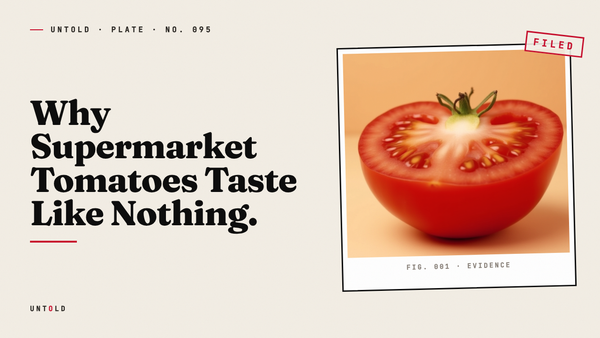
The Green Shoulder We Bred Away
A single switched-off gene explains why the winter tomato tastes of wet paper.
By
D. Kile
— 05 Sep 2026
What we eat, and what it says.
The Plate edition covers food at the scale of centuries and of intestines — breakfast, gluten, MSG, salt, sugar, and the centuries of decisions sitting on your fork. Many essays here close with the same finding: the diet works, the diagnosis was wrong.
Filed by D. Kile, Plate Editor.
All essays filed in this edition, newest first.
A single switched-off gene explains why the winter tomato tastes of wet paper.
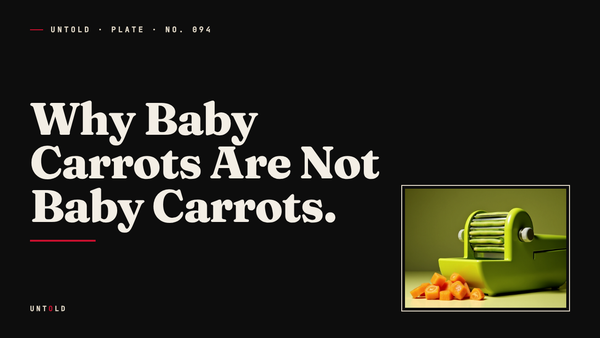
How a bean cutter, a stubborn packer, and a mountain of waste invented the snack in your fridge.
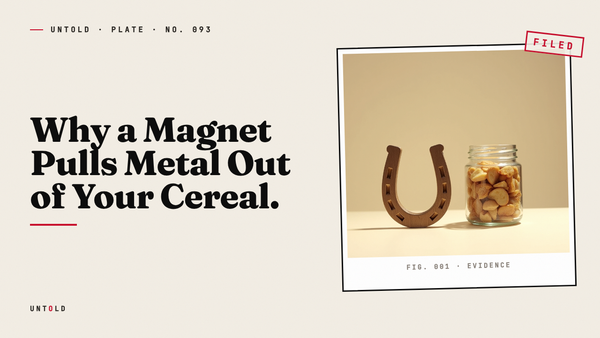
The metallic dust a magnet pulls from your cereal is a wartime decision you eat every morning.
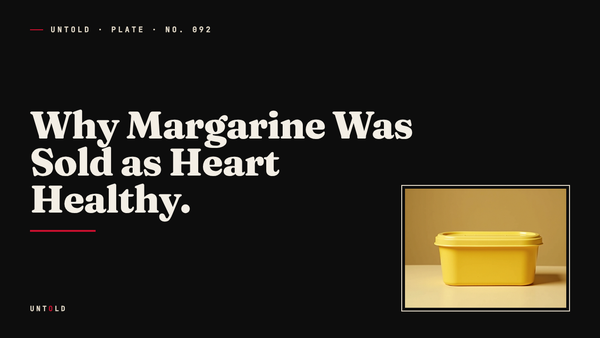
A biochemist warned in 1957 that the heart-healthy spread was the real danger. It took the world fifty years to listen.
Britain's wartime carrot myth had nothing to do with spies and everything to do with a surplus nobody could eat.
Bourbon's flavor is not an accident of terroir. It is the fingerprint of a federal statute.
How a diseased tulip bulb became the money of the age, and then became nothing at all.
How a diamond cartel's oldest trick quietly decides what feels precious in your kitchen.
Tipping began as an aristocratic flourish and became a way to avoid paying workers at all.
Coca-Cola guards a formula in a vault, but the real secret was always the story around it.
Before the white tablecloths and hushed counters, sushi was a snack eaten standing up.
The restaurant is younger than the piano, and it began as medicine, not a meal.
Coffee was banned, feared, and nearly outlawed forever. Then it conquered civilization.
The case that humans learned to farm not to bake bread, but to brew beer.
How a wholesome-looking glass of fresh milk became one of the deadliest foods of the industrial age.
Why half the planet reaches for tea each morning and the other half for coffee has almost nothing to do with taste.
How the humblest food on the colonial table clawed its way into the language of luxury.
A weed from a Mexican valley became the most abundant crop on Earth, and it can no longer live on its own.
How a Peruvian tuber fed eight million people, then became the fuse for the worst famine of the nineteenth century.
How a shriveled seed from ten volcanic islands rewrote the map of the modern world.
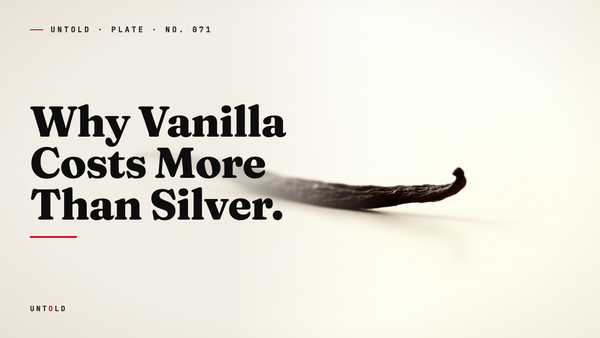
The world's second-priciest spice owes its fortune to a single-day flower and the hands of an enslaved boy.
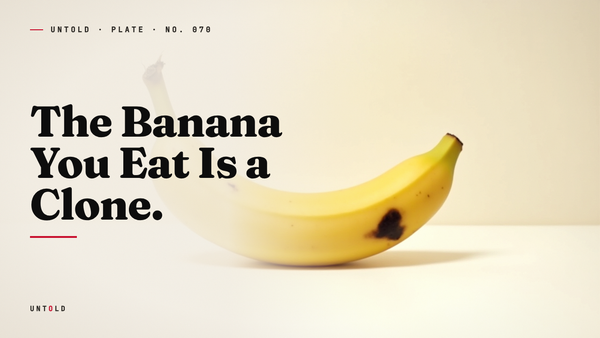
The banana is the world's favorite fruit and one of its most fragile, and history is repeating itself underground.
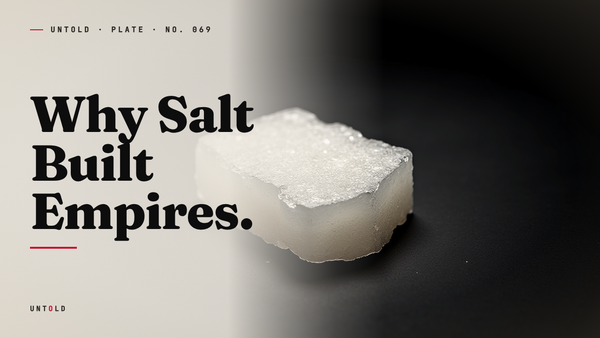
For six thousand years salt was money, power, and survival, until the same crystal quietly poisoned the fields that fed it.
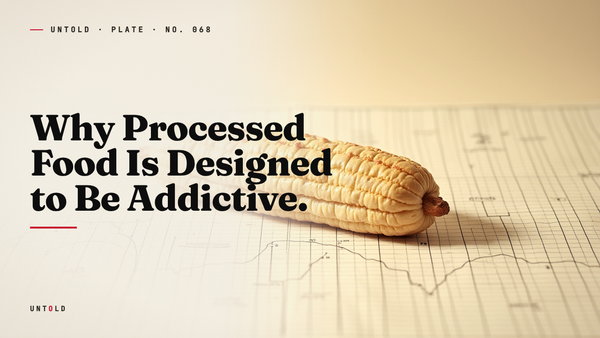
The empty bag was not a failure of discipline. It was the intended outcome of decades of research.
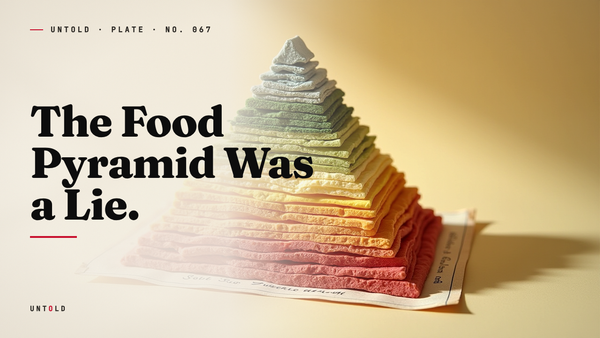
How lobbyists, servings, and a fear of saying less turned nutrition science into a national compromise.
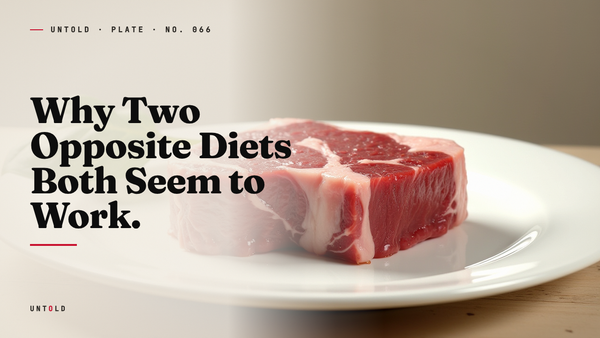
A carnivore and a vegan agree on almost nothing, except the thing that actually heals them.
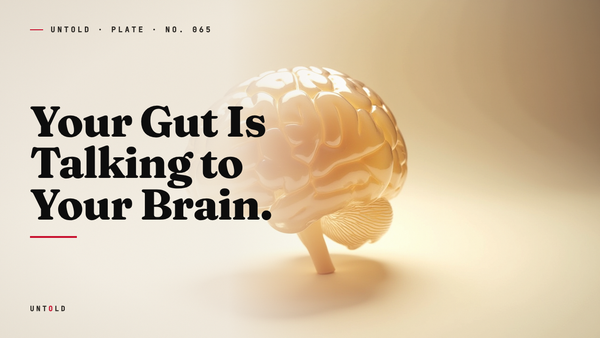
How trillions of gut microbes may quietly help shape human mood, fear, and the future of psychiatry.
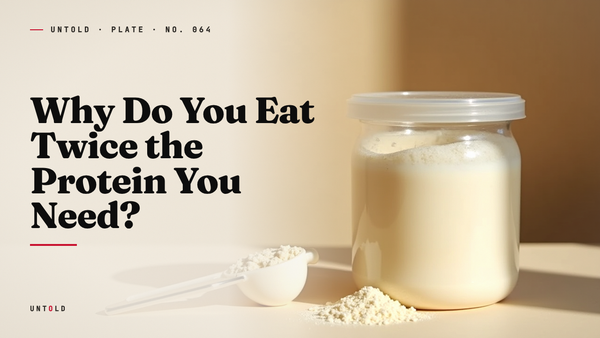
How an essential amino acid supply turned into a 24-billion-dollar anxiety, and why your plate already has enough.
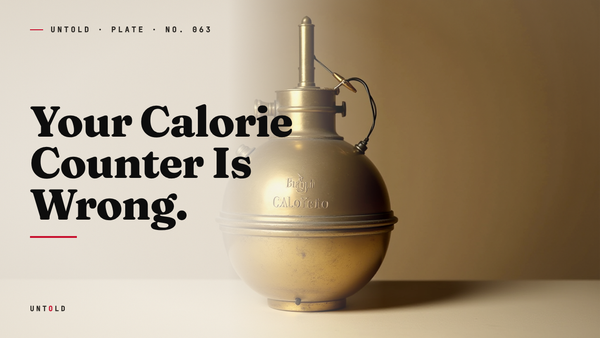
The figure on the label was built to measure furnaces, not the messy chemistry of a living gut.
Why the body defends its own weight, and why most diets are fighting biology they cannot win.
How a 19th-century war on the human appetite accidentally built the American breakfast.
How a Victorian sanitarium and a fitness magazine convinced us that food could stain the soul.
Sugar in bread was never about taste. It was about profit, chemistry, and a decades-long mistake.
Fasting promised cellular renewal and effortless fat loss. The human trials tell a quieter, more honest story.
A century of accidents, rat tumors, and gut bacteria has left one question stubbornly unresolved.
The trillions of microbes in your gut may decide more about your health than the DNA you were born with.
How a supplement built on Arctic blood samples became the most oversold pill in the pharmacy.
Two billion people already eat insects. The rest of us call it disgust and forget it was once dinner.
The world's favorite cinema snack was once banned as low-class street food. A depression and a war changed everything.
Why the meal you made yourself never tastes as good as the one handed to you.
How the deadliest health craze of the twentieth century was not a fraud but a triumph of applied science.
American school lunch was built to feed farms first and children second, and the receipt is on every plastic tray.
A thousand years of philosophy, chemistry, and scarcity explain why the food is arranged the way it is.
France built a civilization on curdled milk, but the crown for consumption is stranger than any menu suggests.
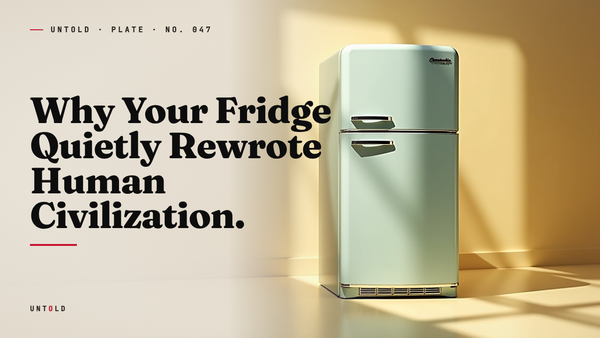
How a humming metal box quietly rewrote what billions of people eat every day.
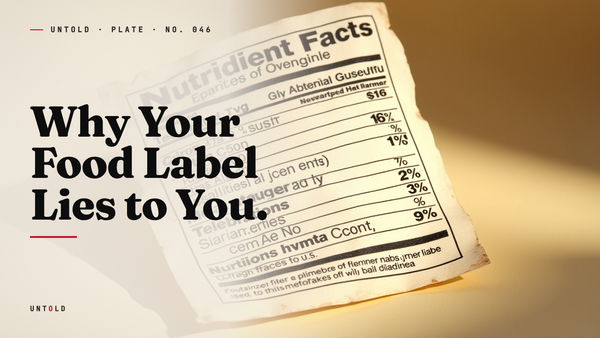
How a number meant to compare crackers quietly became a tool for hiding calories.
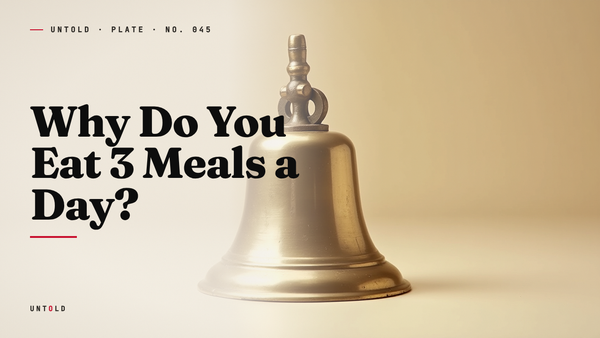
Three meals a day feels like nature. It is closer to an accident of machines and marketing.
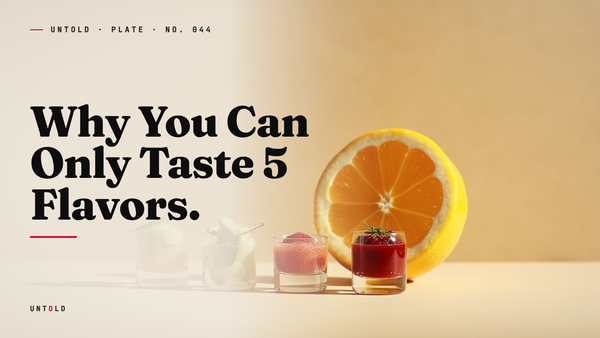
Most of what you call flavor happens in your nose. The mouth speaks a far smaller language.
How a 9,000-year-old survival trick became modern medicine's quiet obsession.
How a single chemical reaction turns flat raw ingredients into the deepest flavors we know.
How the world's healthiest oil became its most counterfeited, and why the fraud is older than Rome.
Why the bag empties before you notice, and what brain science actually says about food addiction.
Before language, before tools, a flame held to raw flesh quietly rewrote what a primate could become.
A famous Bordeaux experiment exposed how color, price, and labels write our flavors before the glass reaches our lips.
A single domesticated plant became the chemical foundation of the American body, mostly without anyone noticing.
Eating the same meals every day quietly starves the trillions of microbes that keep you well.
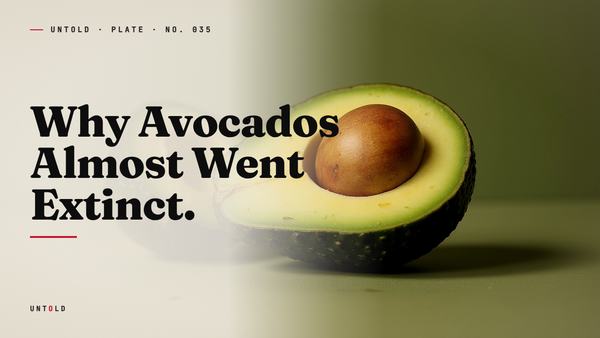
The avocado was built for an animal that has been gone for thirteen thousand years.
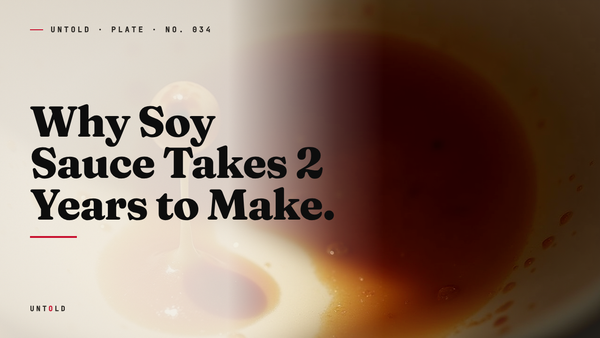
Authentic soy sauce is not cooked but cultivated, a slow collaboration between mold, yeast, and the turning seasons.
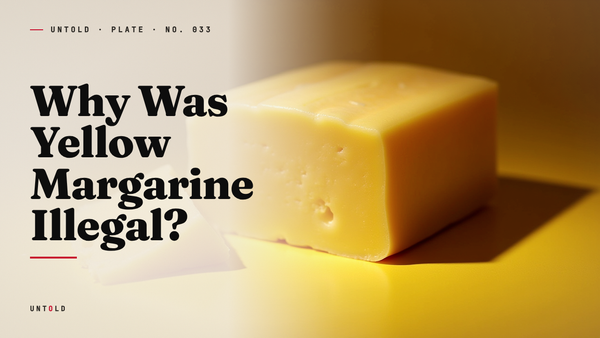
For nearly a century, American legislatures waged war on a sandwich spread, and the front line was the color yellow.
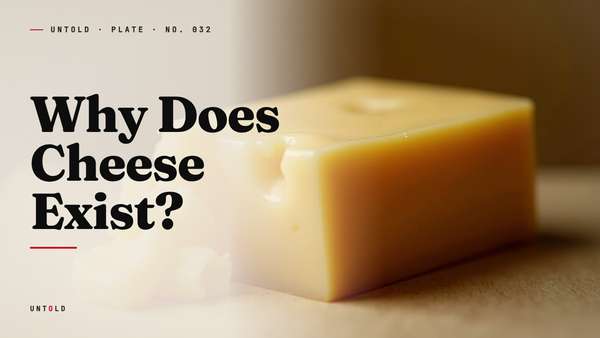
Cheese was never invented in a kitchen. It was discovered, again and again, inside the curdle of spoiling milk.
Carbonation has no flavor of its own. What you feel is your pain nerves reading an invisible acid.
At cruising altitude, dry air and engine roar quietly rewire your tongue before the tray ever arrives.
Why a single glass before dinner makes everything on the plate taste better.
Stale bread has not lost its water. It has quietly rebuilt its own skeleton, one starch molecule at a time.
After dark, your hormones, your reward circuits, and your tired brain quietly conspire against the salad.
A fruit took the blame for what wealthy Europeans were quietly doing to themselves at dinner.
Cinnamon does not burn anything. It hijacks an alarm system half a billion years old.
Mint feels icy without changing temperature, and the reason rewrites what we thought sensation was.
A buried bulb cannot run from anything, so it learned to fight with chemistry instead.
No adult mammal drinks milk except us, and the reason is written into our genes by hunger.
The reason the bag empties faster than you meant is not weak willpower. It is decades of deliberate design.
Asparagus has divided dinner tables for three centuries, and the dividing line runs through your DNA.
The one thing on your plate you cannot digest may be the thing keeping you alive.
Before it was candy, chocolate spent three thousand years as a bitter, frothy medicine.
Chili heat is a chemical hoax your nervous system can't ignore, and somehow you keep asking for more.
How a humble grass from New Guinea financed slavery, rewired diets, and bought its own scientific innocence.
Alkaline water promises to correct a problem your kidneys solved before you were born.
The midnight snack is not a moral failing. It is a question of timing.
Plants were the first chemists, and they did not evolve their molecules to keep us safe.
Why the calorie on your food package is a 19th-century estimate your 21st-century body politely ignores.
How one Minnesota physiologist, a misread WHO bulletin, and a methodological civil war turned dinner into a verdict.
How Linus Pauling convinced a generation that vitamin C could stop a cold, and why the science never followed.
How a multibillion-dollar industry sold us back the work our livers were already doing.
Twenty years of laboratory data on a piece of folk wisdom most of us still recite at the kitchen sink.
How a single scientist's selective data turned fat into a villain and sugar into a Trojan horse.
What science actually says about organic food, and what the label was really designed to do.
How a single sentence from 1945 became the most repeated, least examined rule in modern wellness.
How a banana company, a chemist's hunch, and a discredited scale built the superfood industry.
Millions of people feel ill after eating bread. The science suggests they have been blaming the wrong ingredient.
How a single 1968 note to a medical journal turned a Japanese chemist's discovery into America's favorite scapegoat.
How a sanitarium doctor, a runaway brother, and a PR mastermind taught a nation when to eat.