The Map Printed Inside Your Hands
Wrinkled fingertips are not waterlogged skin. They are a reflex your nerves perform on command.
All essays filed in this edition, newest first.
Wrinkled fingertips are not waterlogged skin. They are a reflex your nerves perform on command.
A newborn's grip is not love. It is a survival command written forty million years ago.
A single wire in your throat detours past your heart, and the reason is five hundred million years old.
There is a sixth sense at work in you right now, and you will never feel it until it fails.
Three tiny muscles behind each ear obey a command that stopped working 25 million years ago.
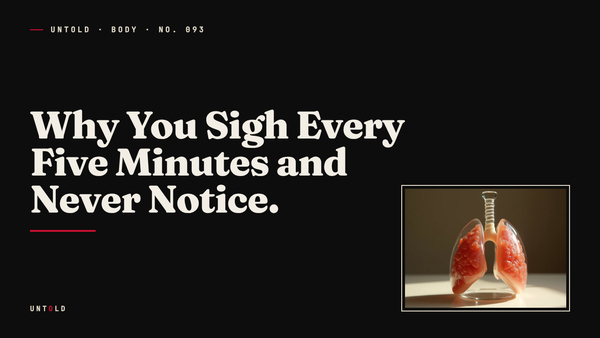
Every few minutes a hidden circuit forces a deep breath to keep your lungs from quietly collapsing.
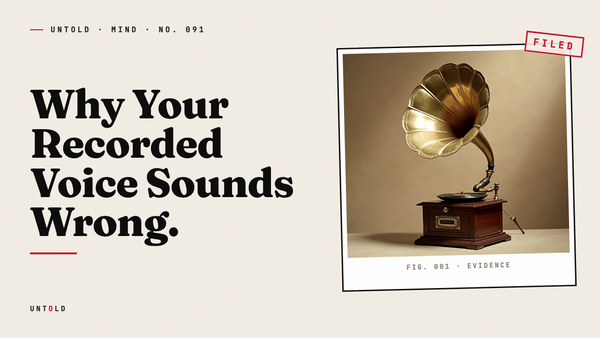
The voice you have loved your whole life is one nobody else has ever heard, and the reason is physics.
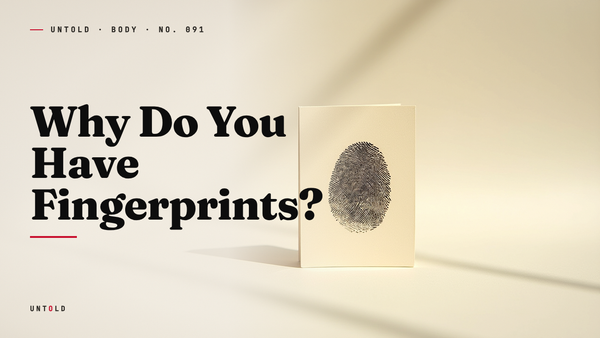
For a century we assumed fingerprints were for grip. Then someone finally measured the friction.
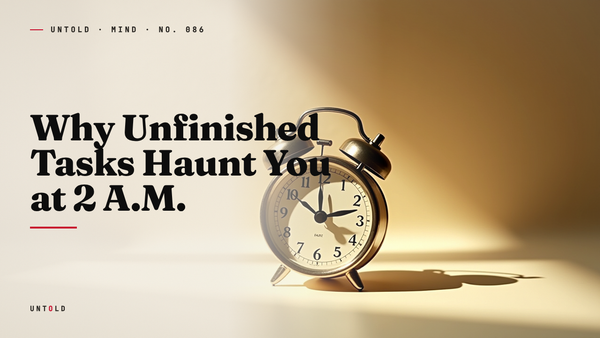
A Vienna cafe, a young psychologist, and the strange grip unfinished tasks hold on the human mind.
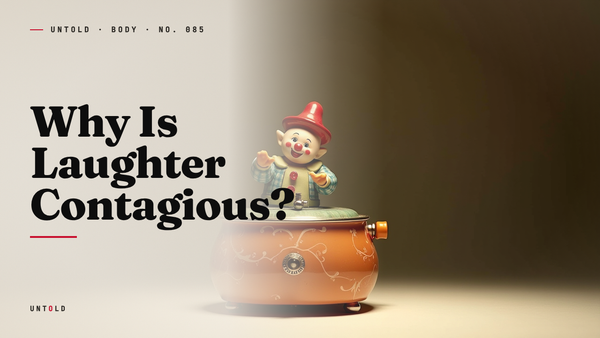
Laughter began long before jokes, and your body still obeys its oldest command.
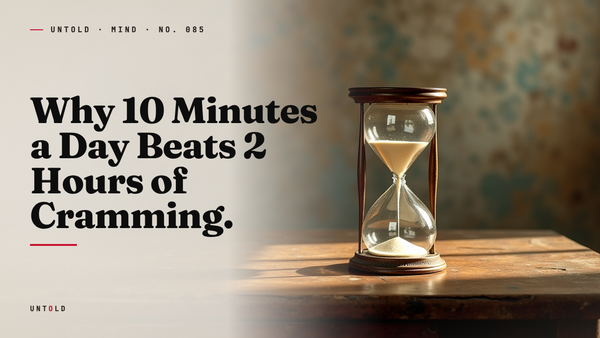
A little forgetting between study sessions is not a flaw in learning. It is the engine.
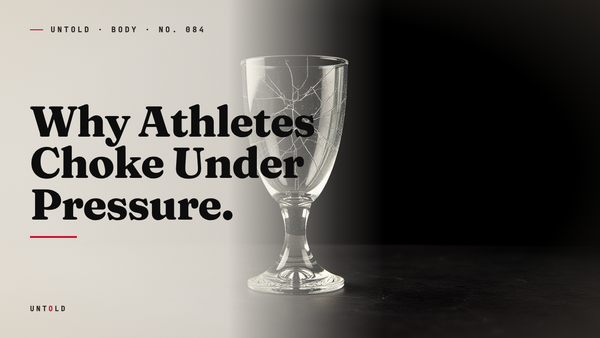
The science of why practiced skill collapses at the exact moment it matters most.
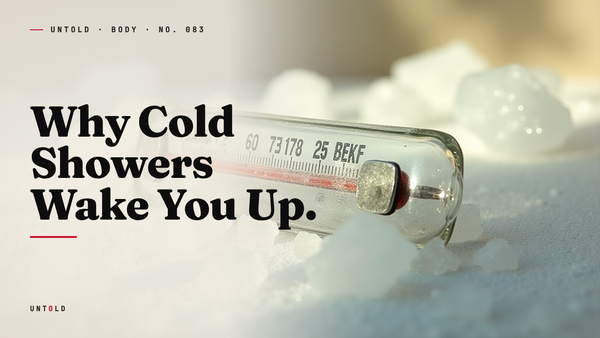
A cold shower does not wake you. Something far older, buried in your nervous system, does.
A single unspoken belief can raise a child's IQ. The mechanism is quieter than anyone imagined.
The sound that escapes when you stub your toe is older than language, and it may quietly help you endure.
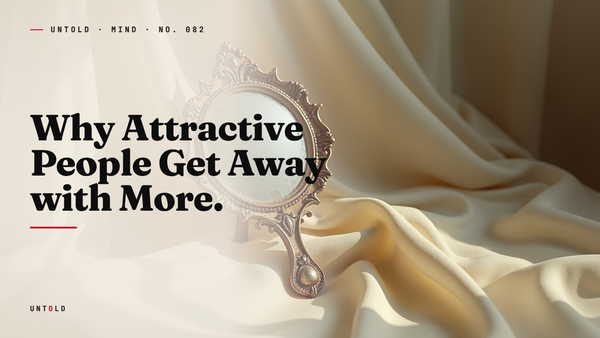
Why a symmetrical face can buy leniency in a courtroom and a raise at the office.
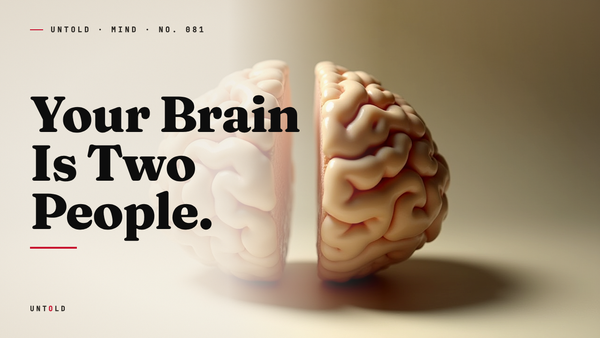
When surgeons cut the brain in two, they found not one mind inside the skull but the negotiated fiction of one.
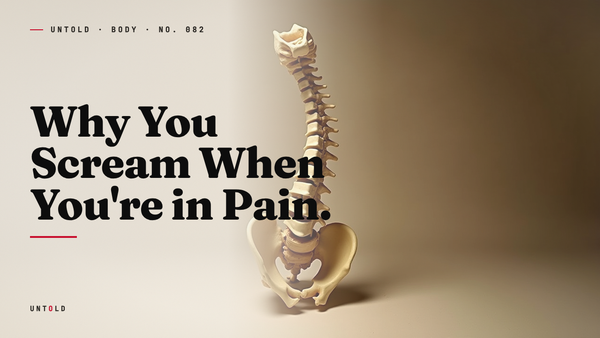
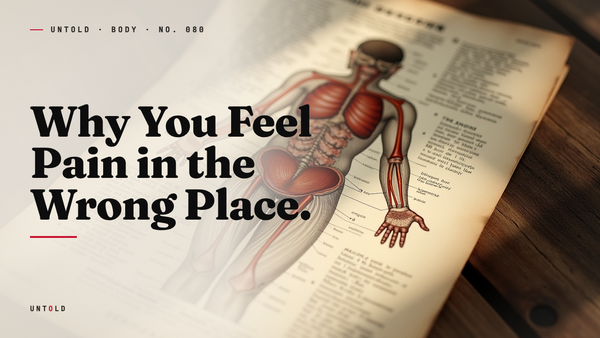
A heart attack often screams in the arm. The reason reveals how the brain builds pain from guesswork.
What happens in the mind when you know a word perfectly, yet cannot say it.
Your nervous system was never built to measure temperature. It was built to sound one alarm.
How an ordinary brain quietly decides that some faces do not belong to people.
In the quietest room on Earth, people last only minutes before their own bodies grow deafening.
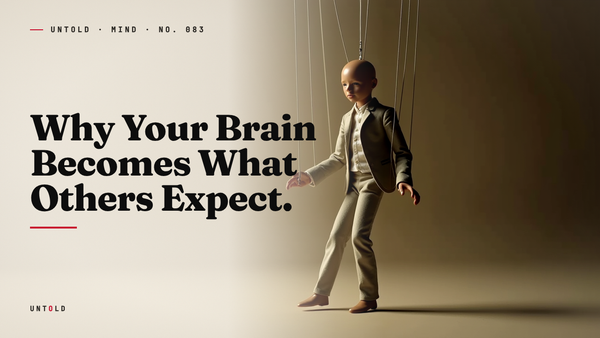
A simple experiment about three lines revealed how easily the group rewrites what we see.
The sound that makes your spine crawl is not high or shrill. It is a warning older than language.
The most famous test in psychology may have measured trust, not willpower.
Almost everyone shuts their eyes at the moment of contact, and the reason has nothing to do with romance.
How a Yale psychologist proved that ordinary people will harm a stranger on command.
A Renaissance beauty trick, a Chicago psychologist, and the involuntary signal your pupils cannot suppress.
Your bedtime is not a moral failing. It is a rhythm ticking in your cells, inherited and ancient.
Music has no words and no danger, yet it can flood the body with grief and comfort at once.
Anesthesia works almost every time. When it fails, it exposes how little we know about consciousness.
A rubber hand, two paintbrushes, and ninety seconds are enough to rewrite where your body ends.
A robotics professor sketched a graph in 1970 that still explains why lifelike faces make us recoil.
One nerve in your chest loops backward under an artery for no good reason, and that mistake is the clearest proof of evolution in your body.
Some people taste words and see music. Neuroscience now says the rest of us once did too.
Optical illusions are not failures of the eye but glimpses of the brain doing its ordinary, extraordinary work.
How a tenth of a second reveals the oldest guessing machine in your brain.
Grogginess is not laziness. It is a measurable neurological state your alarm was never built to solve.
The empty bag was not a failure of discipline. It was the intended outcome of decades of research.
Light carries no color of its own. Everything you see is a guess your brain paints from scratch.
When a crash seems to unfold in slow motion, your brain is not filming faster. It is remembering harder.
Two in three of us talk in our sleep, and the reason has nothing to do with our secrets.
How trillions of gut microbes may quietly help shape human mood, fear, and the future of psychiatry.
We caught dreams in a machine seventy years ago. We still cannot say what they are for.
Why the mind clings to one insult and lets five kindnesses slip away.
In 1963, a San Diego teenager went eleven days without sleep, and sleep science has been arguing about it ever since.
A reflex built to survive cold and predators now answers three minutes of sound.
The pleasure of total absorption comes not from a busier brain, but from a temporarily quieter one.
For fifty years we believed the placebo needed a lie. It never did.
You do not see the world. You see your brain's forecast of it, corrected only when it fails.
A wound too small to bleed properly still hijacks one of the most sensitive instruments the body owns.
In darkness, the brain stops correcting its guesses, and the visions it was always making finally surface.
How the quiet act of sitting still turned out to physically remodel the adult brain.
Every night your brain climbs down through four stages and back again, and almost none of it is rest.
Boredom is not an absence of feeling but a signal, and the way we escape it may cost us more than the discomfort ever could.
When illness kills your hunger, your body may be running a survival program half a billion years old.
Raising your voice does not deliver the truth. It triggers a survival reflex that seals the mind shut.
A century of trying to read deception in the body, and why the science never held.
The trillions of microbes in your gut may decide more about your health than the DNA you were born with.
Hoarding is not laziness or filth. It is a disorder of value, and the brain feels every discard as loss.
Laughter is older than jokes, and its real job has almost nothing to do with comedy.
The urge to breathe has almost nothing to do with oxygen, and everything to do with a chemical your brain refuses to tolerate.
Revenge lights up the brain's pleasure circuits, then quietly betrays the person seeking it.
A rare genetic condition erases all pain, and in doing so reveals why the rest of us need it.
London's black cab drivers memorize an entire city, and in doing so they reshape the physical structure of their brains.
Cluster headaches arrive on schedule, leave no mark, and rank among the worst pains medicine can measure.
Why the meal you made yourself never tastes as good as the one handed to you.
Brain fog does not appear in any diagnostic manual, yet its causes are measurable, ordinary, and often reversible.
Chili peppers never burn anything. They only convince your body that they do, twice.
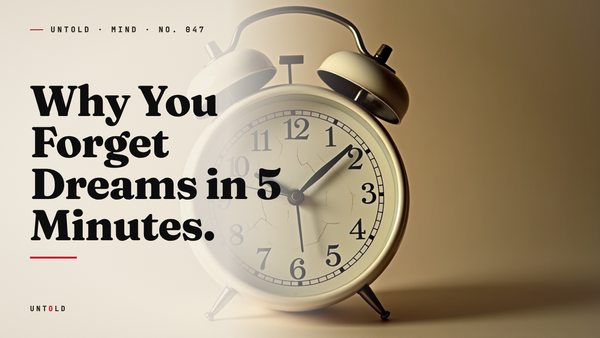
A century-old experiment revealed why the night before an exam is the worst way to learn.
Every night you live entire stories, then wake with almost nothing. The forgetting may be the whole point.
Why the brain scorches terror into permanent record while everyday moments quietly dissolve.
A blurry snapshot of a cheap dress became the largest perception experiment ever run by accident.
How a hidden switch on a college campus revealed that we see far less of the world than we believe.
Why the most vivid stories you ever live are erased before you finish waking.
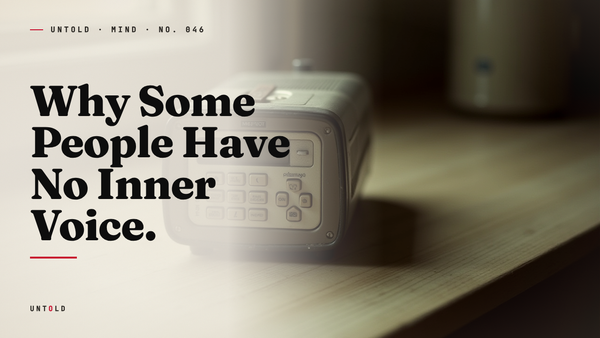
For decades science assumed everyone narrated their lives. A beeper, a viral tweet, and a Danish lab proved otherwise.
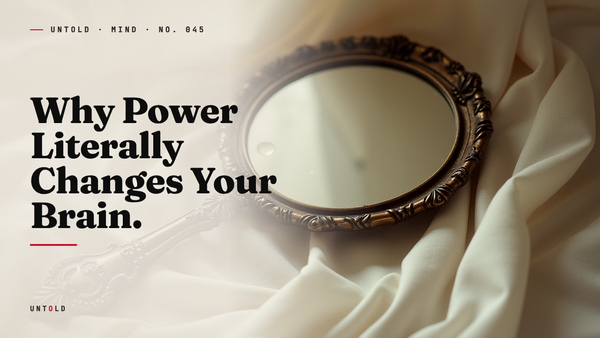
A growing body of neuroscience suggests that holding power quietly disables the brain's capacity for empathy.
Most of what you call flavor happens in your nose. The mouth speaks a far smaller language.
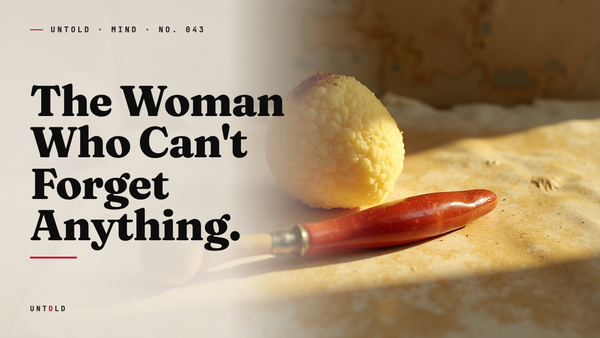
For a handful of people, the past does not fade. It plays back, in full, on command.
For centuries it wore the costume of demons. The mechanism was hiding in the brainstem all along.
Long depression can shrink a region of the brain. The damage, scans now reveal, is not permanent.
When the brain is denied its nightly repair shift, the breakdown follows a predictable, escalating script.
Lab experiments suggest the brain commits to an action before we feel ourselves choosing it. What that really means is far stranger.
When a relationship ends, the body mounts a defense it inherited from ancestors who feared a different kind of danger.
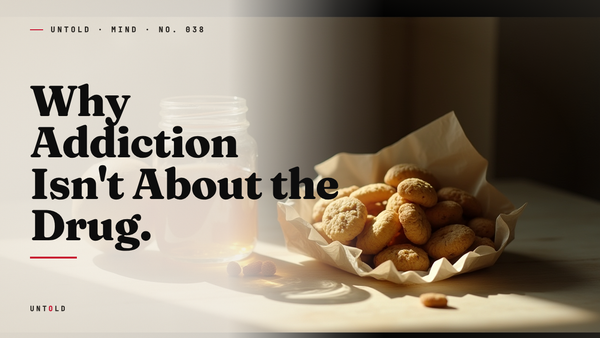
Why the bag empties before you notice, and what brain science actually says about food addiction.
Why the people who hurt us so often feel like the ones we were meant to find.
The sleeping brain refuses randomness, and the plot it builds may be the truest portrait of how we think.
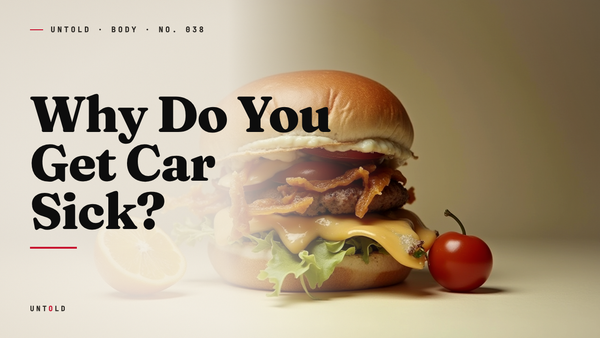
Why passengers turn green while the driver, in the very same car, feels nothing at all.
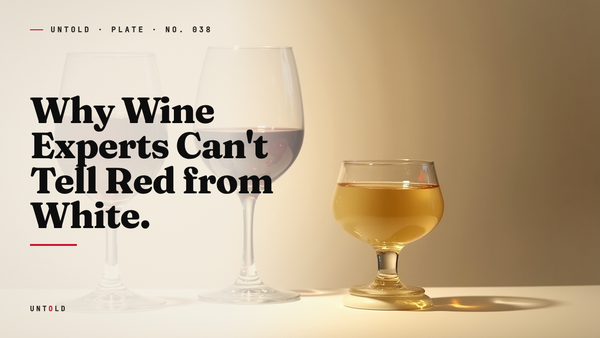
A famous Bordeaux experiment exposed how color, price, and labels write our flavors before the glass reaches our lips.
A century of addiction science was built on a lonely rat. The truth turned out to be far stranger.
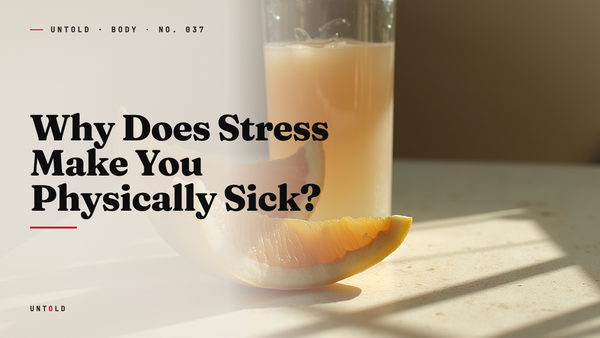
How a thought with no weight learned to inflame tissue, slow healing, and erode the heart.
Amputees ache for limbs that no longer exist, and the answer rewrites what feeling itself means.
Memory feels like a recording, but every act of remembering quietly rewrites what you think you know.
Memory does not replay the past. It rebuilds it, and confidence is no guide to the truth.
Why mosquitoes single out some people and ignore others, and what the answer reveals about the skin we live in.
You check the time eighty times a day and still cannot draw the face. The reason reveals how memory actually works.
Every eye carries a patch of nothing, and the brain spends every waking second painting over it.
The shaking hand before a speech is not a flaw. It is ancient survival code, leaking out where it has nowhere else to go.
A reflex older than language tells us what to protect, and industries have learned to forge it.
Brain freeze is a case of mistaken identity playing out in the wiring behind your face.