The Man Whose Left Hand Kept Secrets
When surgeons cut the brain in two, they found not one mind inside the skull but the negotiated fiction of one.
All essays filed in this edition, newest first.
When surgeons cut the brain in two, they found not one mind inside the skull but the negotiated fiction of one.
How a wholesome-looking glass of fresh milk became one of the deadliest foods of the industrial age.
Anesthesia works almost every time. When it fails, it exposes how little we know about consciousness.
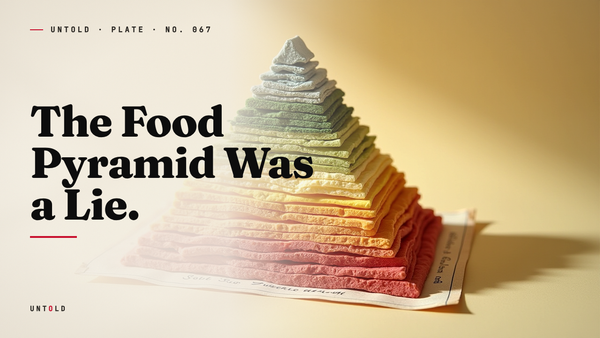
How lobbyists, servings, and a fear of saying less turned nutrition science into a national compromise.
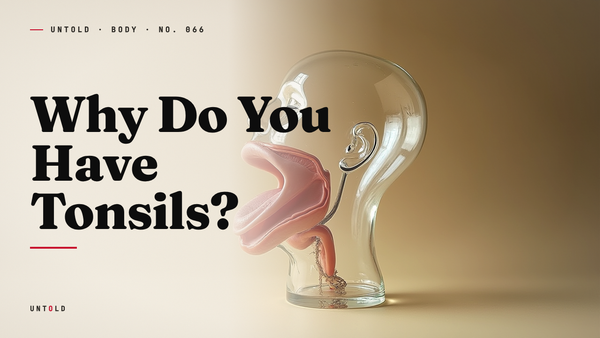
For a century, medicine treated tonsils as disposable. The evidence now suggests otherwise.
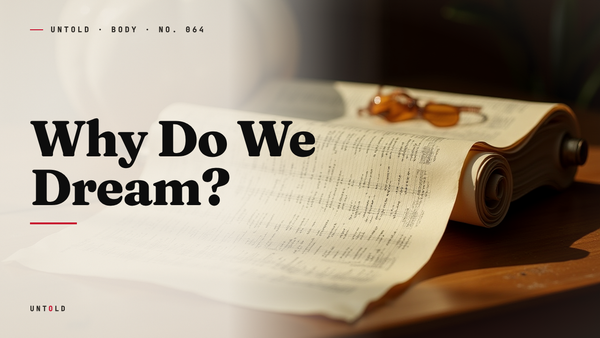
We caught dreams in a machine seventy years ago. We still cannot say what they are for.
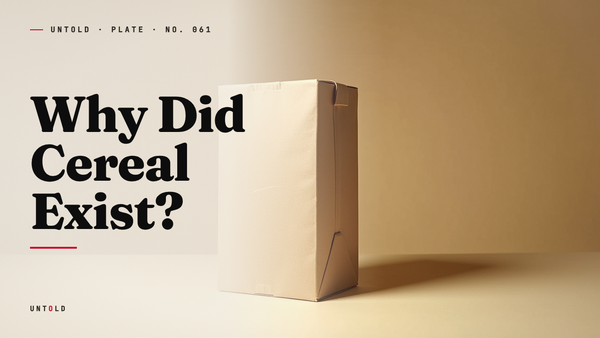
How a 19th-century war on the human appetite accidentally built the American breakfast.
Sugar in bread was never about taste. It was about profit, chemistry, and a decades-long mistake.
A century of accidents, rat tumors, and gut bacteria has left one question stubbornly unresolved.
Hoarding is not laziness or filth. It is a disorder of value, and the brain feels every discard as loss.
Cluster headaches arrive on schedule, leave no mark, and rank among the worst pains medicine can measure.
How the deadliest health craze of the twentieth century was not a fraud but a triumph of applied science.
For centuries the mesentery was drawn as scattered scraps. It was one continuous organ all along.
Autoimmune disease has climbed for fifty years, and the cause may be the world we cleaned away.
How a 9,000-year-old survival trick became modern medicine's quiet obsession.
For centuries it wore the costume of demons. The mechanism was hiding in the brainstem all along.
Amputees ache for limbs that no longer exist, and the answer rewrites what feeling itself means.
For two thousand years doctors fought fever. The lizards knew better.
Allergies may be the price we pay for winning an ancient war against parasites.
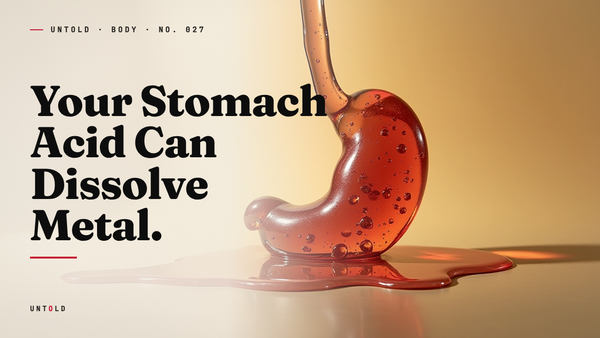
Your stomach holds a fluid strong enough to corrode steel, and the story of why it spares you runs through a frontier gunshot wound and a self-experimenting Nobel laureate.
A fruit took the blame for what wealthy Europeans were quietly doing to themselves at dinner.
Bacteria learned to outlast our best medicines, and we taught them how.
The one thing on your plate you cannot digest may be the thing keeping you alive.
Before it was candy, chocolate spent three thousand years as a bitter, frothy medicine.
How a humble grass from New Guinea financed slavery, rewired diets, and bought its own scientific innocence.
A bruise is not damage on display. It is the visible record of your body dismantling and recycling itself.
For three centuries doctors tried to cure nostalgia. Then a lonely psychologist asked what it was actually for.
For a century, medicine dismissed it as evolutionary debris. The microbiome rewrote the story.
How a single 1968 note to a medical journal turned a Japanese chemist's discovery into America's favorite scapegoat.
How a sanitarium doctor, a runaway brother, and a PR mastermind taught a nation when to eat.
Why two thousand years of medicine got yawning wrong, and what it actually reveals about the brain.