The Whiskey That Congress Defined
Bourbon's flavor is not an accident of terroir. It is the fingerprint of a federal statute.
All essays filed in this edition, newest first.
Bourbon's flavor is not an accident of terroir. It is the fingerprint of a federal statute.
How a diamond cartel's oldest trick quietly decides what feels precious in your kitchen.
Coca-Cola guards a formula in a vault, but the real secret was always the story around it.
Before the white tablecloths and hushed counters, sushi was a snack eaten standing up.
The restaurant is younger than the piano, and it began as medicine, not a meal.
Coffee was banned, feared, and nearly outlawed forever. Then it conquered civilization.
The case that humans learned to farm not to bake bread, but to brew beer.
How a wholesome-looking glass of fresh milk became one of the deadliest foods of the industrial age.
Why half the planet reaches for tea each morning and the other half for coffee has almost nothing to do with taste.
How the humblest food on the colonial table clawed its way into the language of luxury.
A weed from a Mexican valley became the most abundant crop on Earth, and it can no longer live on its own.
How a shriveled seed from ten volcanic islands rewrote the map of the modern world.
The banana is the world's favorite fruit and one of its most fragile, and history is repeating itself underground.
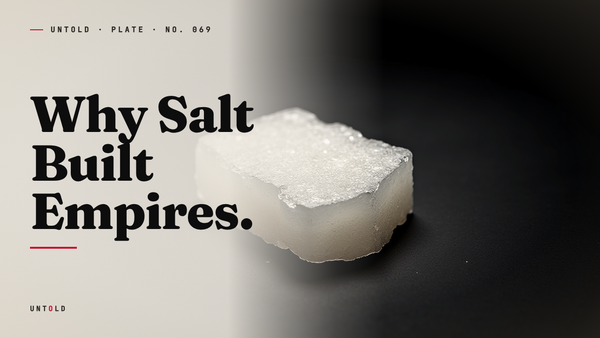
For six thousand years salt was money, power, and survival, until the same crystal quietly poisoned the fields that fed it.
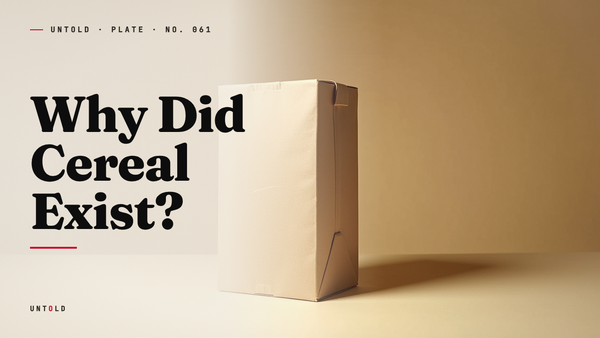
How a 19th-century war on the human appetite accidentally built the American breakfast.
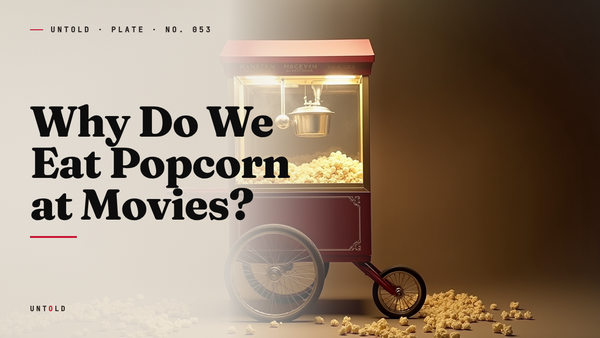
The world's favorite cinema snack was once banned as low-class street food. A depression and a war changed everything.
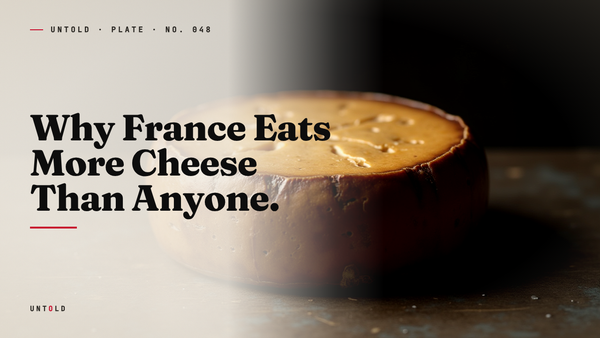
France built a civilization on curdled milk, but the crown for consumption is stranger than any menu suggests.
The avocado was built for an animal that has been gone for thirteen thousand years.
For nearly a century, American legislatures waged war on a sandwich spread, and the front line was the color yellow.
Cheese was never invented in a kitchen. It was discovered, again and again, inside the curdle of spoiling milk.
A fruit took the blame for what wealthy Europeans were quietly doing to themselves at dinner.
Before it was candy, chocolate spent three thousand years as a bitter, frothy medicine.
How a humble grass from New Guinea financed slavery, rewired diets, and bought its own scientific innocence.
How a sanitarium doctor, a runaway brother, and a PR mastermind taught a nation when to eat.